Practical Basketball Player Archetypes
Slasher, lock, stretch, and playmaker roles for Practical Basketball stress-test and early-access park teams.
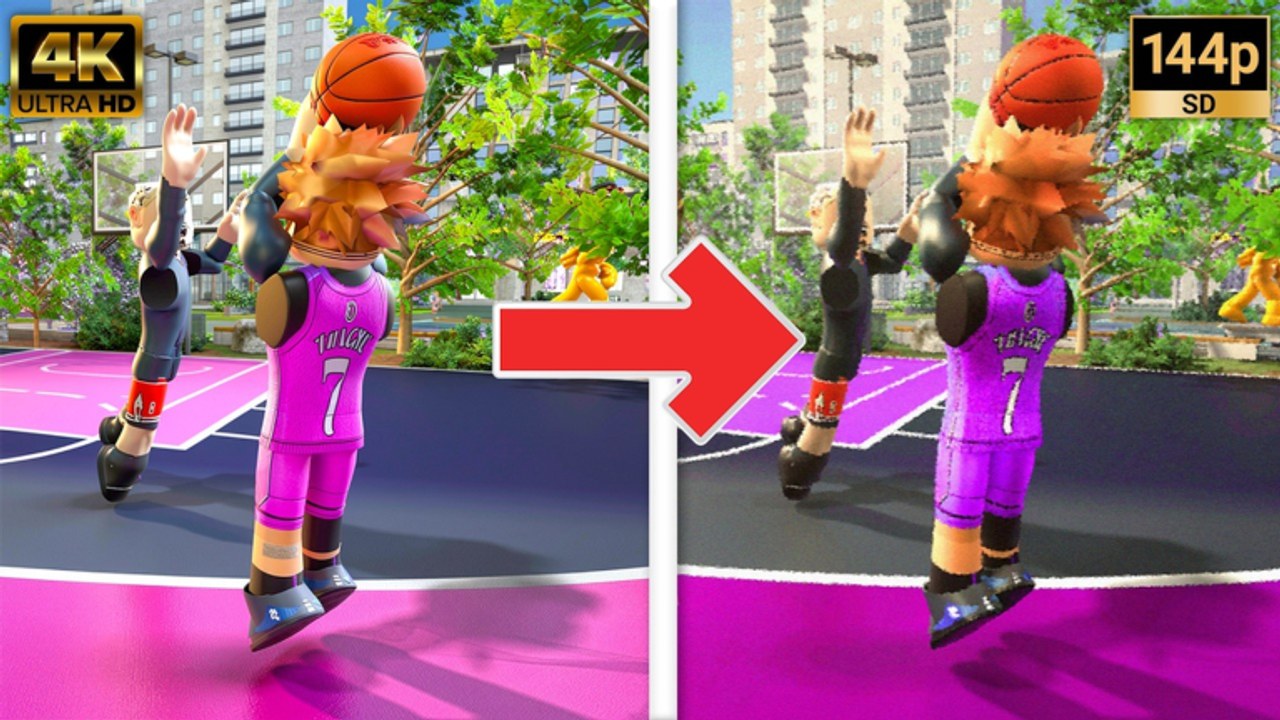
Practical Basketball is a skill-based Roblox basketball experience still running in stress-test windows. You are not picking premade NBA rosters — you are building a custom player in the creator, choosing badges and takeovers, then proving the archetype in park runs. This hub frames the four roles most squads talk about during early access: slasher, lock, stretch, and playmaker.
Archetypes are shorthand for how you win possessions. They overlap — a slasher can pass, a stretch can defend — but each role has a primary job that should drive attribute points, badge priorities, and takeover selection. Use this page to pick a direction, then drill details in Build Helper, Takeovers and Badges, and Controls Cheat Sheet.
Slasher — rim pressure and takeover activation
Slashers live in the paint and mid-post after beating the first defender. They win with drive momentum, contact finishes, and gather timing on hold E layups plus Shift + Space dunk lines. In recent tests, Smooth Operator is the takeover name testers mention most for this profile because it amplifies sequences you already run — hesi drives, euro finishes, and help-beating kick-outs when the defense collapses.
Strengths: forces help, opens corner threes for stretch teammates, high takeover uptime when badges are online.
Weaknesses: clogged lanes if your squad lacks spacing; poor shoot timing makes you easy to scout.
Build sketch: high driving dunk and layup, respectable ball handling for secondary iso, minimum three-point to keep defenders honest. Start from the SF/secondary guard rows in Build Helper.
Practice focus: one dribble chain per hand (Z/C/X/V), contact dunk approach angles, and kick-out passes on Shift + number keys when two defenders meet you at the rim.
Lock — on-ball defense and switch value
Locks (or lockdown wings/guards) anchor stress-test teams that want to survive pick-and-roll and iso without hiding a liability. Practical Basketball rewards positioning and manual contests more than spam reach — your perimeter defense, steal, and interior defense for switches matter more than a highlight dunk rating.
Strengths: shuts down primary scorers, enables aggressive help, stabilizes park matchmaking when others chase stats.
Weaknesses: lower shooting badges mean you must win with defense and smart cuts; bad teams force you to carry offense anyway.
Build sketch: top-tier perimeter defense and steal with enough three-point to space (typically low-80s at minimum in tests). Physicals help bodys on drives.
Practice focus: sprint discipline (Shift taps), contest timing without foul bait, and off-ball navigation to tag rollers early.
Stretch — spacing and Knockdown Shooter synergy
Stretch bigs and stretch wings win by pulling help defenders to the arc. Catch-and-shoot timing on hold E is your primary skill; movement off screens separates great stretches from campers. Knockdown Shooter takeover fits this archetype when shooting badge tiers are unlocked — it punishes defenses that sag after a slasher drive.
Strengths: opens driving lanes, flips pick-and-pop math, cheap points when the defense rotates late.
Weaknesses: targeted by locks; low interior ratings get punished on switches if you miss contests.
Build sketch: high three-point and mid-range, off-ball movement speed, enough defense to survive switches. See SG/SF shooting tables in Build Helper.
Practice focus: flare and pin-down routes, quick release without charging, and closeout reads into one-dribble pull-ups.
Playmaker — orchestration and passing modifiers
Playmakers (usually point guards, sometimes secondary creators) run pick-and-roll, call for T screens, and hit teammates with chest, bounce, and swing passes on 1–4 keys plus modifiers. Pass accuracy gates determine whether flashy or bounce passes stay in bounds under stress-test latency.
Strengths: controls tempo, finds mismatch switches, keeps team efficiency high when slashers draw doubles.
Weaknesses: if teammates stand still, your value drops; high handle without shooting makes you easy to go under.
Build sketch: elite ball handling and pass accuracy, speed with ball, defensive floor so you are not hunted every possession. PG template in Build Helper is the starting point.
Practice focus: fake passes (Q + number), hesi shot (Shift + tap E), and one advanced dribble to freeze on-ball defenders before the drop-off.
Squad composition in stress tests
Most successful early-access lineups mix two scoring archetypes with defensive identity:
| Lineup slot | Common archetype | Notes |
|---|---|---|
| Ball handler | Playmaker | Initiates PnR, calls screens |
| Secondary scorer | Slasher or stretch | Depends on who attracts help |
| Wing stopper | Lock | Matches opponent’s best creator |
| Spacer | Stretch | Corner threes when drives kick out |
| Flex | Slasher / lock hybrid | Fills when matchmaking is uneven |
Park matchmaking during tests is not always role-balanced — be ready to flex.
Archetypes vs badges and takeovers
Roles are player language; badges are the game’s mechanical expression. Finishing badges define slashers; shooting badges define stretches; playmaking badges define facilitators; defensive badges define locks. Takeovers layer on top once you pick a role and earn momentum in games.
Deep tables and takeover descriptions live on Takeovers and Badges. For ST3 catalog pages listing every badge name and all nine takeovers, read All Badges and All Takeovers. Patch changes to badge tiers are tracked on Stress Test Notes.
Anomalies — physical quirks in the creator
Recent stress-test builds expose anomalies as a distinct creator layer — physical quirks or modifiers that skew specific attributes beyond standard sliders. Anomalies can push driving dunk on slashers, block on bigs, or perimeter defense on two-ways, often with tradeoffs to stamina, lateral speed, or secondary stats. They are not substitutes for badges; they set the foundation badges amplify.
Use Anomalies to learn experimentation workflow: pick a role, allocate baseline attributes, select one targeted anomaly, assign a matching takeover, then test in shootaround before park. Pair with How to Create a Build and Big Builds or Scoring Builds depending on your height band.
EBA League — organized competitive play
Casual park during stress tests is not the only way serious players compete. The Elite Basketball Association (EBA) is a community-run league with Discord-organized teams, scheduled matches, and fair-play expectations beyond random matchmaking. It is separate from official Practical Creations modes and separate from this wiki — we do not publish invite codes or invented standings.
Read EBA League for how organized play differs from park, how to prepare builds and PC Controls, and how to find current EBA information through Community Links and community search during active Stress Test 3 windows.
Fair-play expectations during tests — anti-cheat messaging, report etiquette, and what organized leagues expect beyond casual park — live on Fair Play.
Recommended learning path
- Pick one archetype that matches your real skill (timing shooter vs driver vs defender).
- Build in the creator using Build Helper checklists.
- Assign badges and a takeover from Takeovers and Badges, then cross-check All Badges and All Takeovers when planning a full ST3 board.
- Learn inputs on Controls Cheat Sheet.
- Queue park during an active stress window — verify server status on Community Links.
Archetype meta will shift as Practical Creations tunes early-access physics. Re-read this hub after major updates before you reroll a character.
Frequently Asked Questions
Quick answers players ask before every park session.
Can one build cover slasher and stretch?
Hybrids exist but badge gates spread thin during stress tests. Most players specialize until the creator offers more overall points at full launch.
Which archetype is best for solo queue park?
Slashers and playmakers can self-create; stretches depend on passers. Locks dominate only if you trust random teammates to score.
Do archetypes map to Roblox positions in the creator?
Yes loosely — PG leans playmaker, SG/SF split slasher and stretch, taller builds lean lock or stretch big. Height still changes animations.
Where do I read badge and takeover details?
Open Takeovers and Badges for category breakdowns and Smooth Operator vs Knockdown Shooter notes tied to each archetype.
What are anomalies and do I need one?
Anomalies are creator modifiers that adjust physical tendencies or attribute caps. They are optional but powerful when matched to your role — read the Anomalies page to test before park instead of copying random picks.